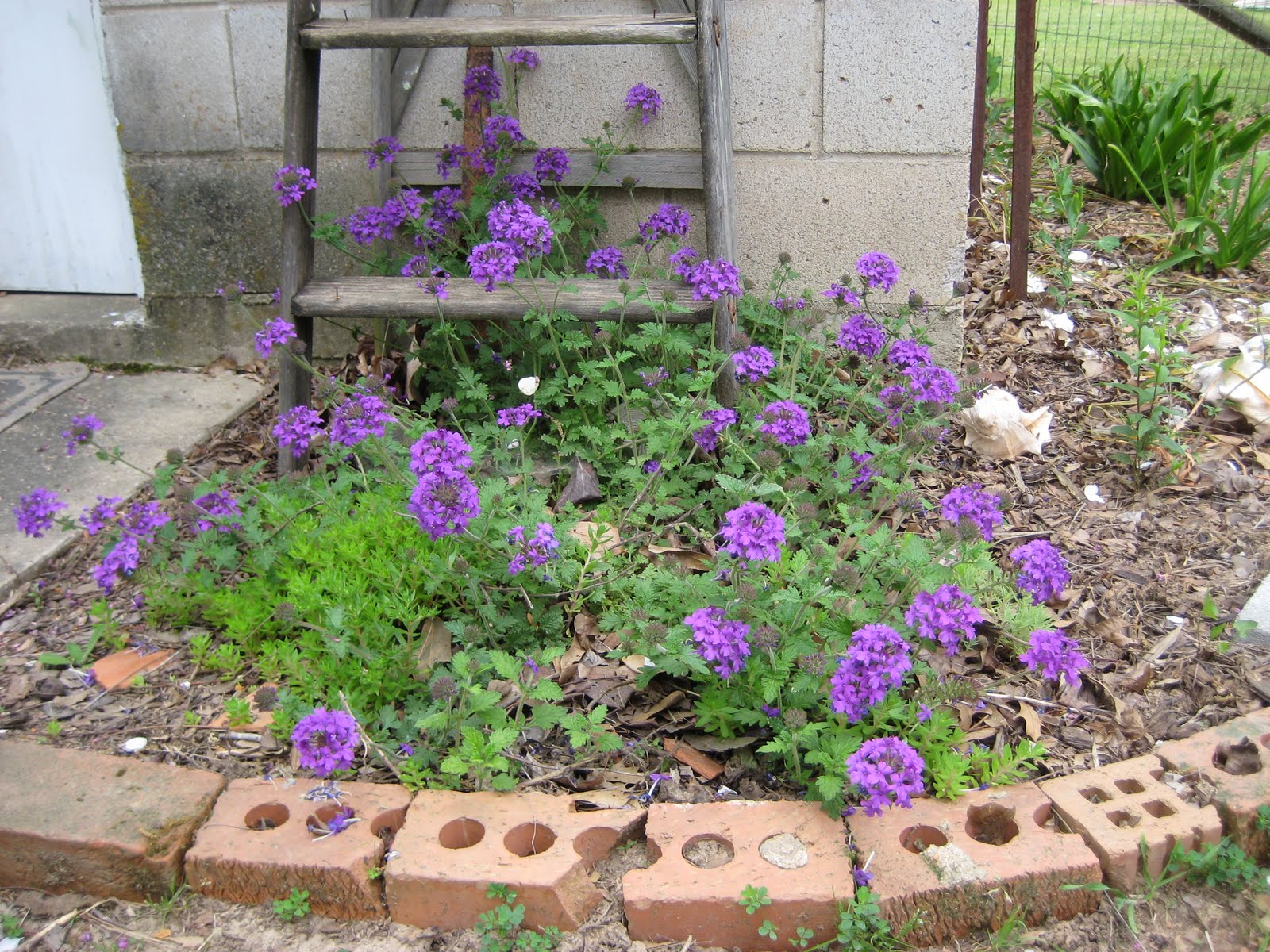
- Does your planting area face North? Or South?
- How much sun does it receive? And during what time of day does the sun shine there? Early morning sunshine has a different effect on a flower bed than sunshine at midday or evening.
- Does the area receive a lot of wind?
- Does water stand there after a rain?
- Or is the bed located under a tree?
Saturday, April 10, 2010
Going Native ~ part 2
There are distinct advantages to Going Native. (Again, What ARE you thinking???)
Native plants are more disease resistant, take less water, and are generally hardier. When choosing the Native Plants for your yard, take in to consideration not only what species is NATIVE to your area but also the MACRO and MICRO climatic zones in your yard.
So many things to take into consideration but, once again, the time you put into identifying these climatic zones will pay off in the end!
Thursday, April 8, 2010
Let's Go Native!!
Native Plants that is! (Now what were you thinking???)
I'm sure you have read and heard that planting 'Native' plants in your garden or yard is more water-wise and earth-friendly. But are those plants really NATIVE to your area? Or someone else's??
All plants are native to someplace on Earth. What we as Gardeners need to find out is whether or not the plants that we put into our soil are native to our specific area. Or our climatic zone. Living here in the hot, humid South, I wouldn't want to plant something that is Native to New Mexico. It just wouldn't thrive - could possibly be invasive - and there's no telling what pests or diseases may afflict it.
Do your research before buying! The effort you spend getting to know your possible new plant neighbors is well worth it!
I'll have more on "Going Native" on Saturday. Stay Tuned.....
Tuesday, April 6, 2010
Invasive Seed Alert
Most Gardeners feed their avian friends. If you choose to supplement their diet with bird seed, do you really know what you are feeding them?? (And don't just feed them in the winter! Birds can become dependent on the food you provide for them. Especially as their natural habitat dwindles. So it's a good idea to keep the feeders filled year round.)
The seeds of more than 50 weed species have been identified in several brands of wild bird feed. The seedlings which come up underneath the feeder are easy to control but what about the ones that are spread by the birds through their droppings? Oregon has taken legislative action against the sale of bird food containing viable weed seeds. And many other states are attempting to apply animal feed regulations.
But we the consumer (so to speak) need to become pro-active! Choose feed that won't sprout - peanuts, berries, sunflower hearts. Or incorporate more native plant species into your landscape to provide food for our little feathered friends!
Subscribe to:
Posts (Atom)